Wall and Ceiling Acoustic Panels for Open Spaces
Lorem Ipsum is simply dummy text of the printing
13-Feb-2025

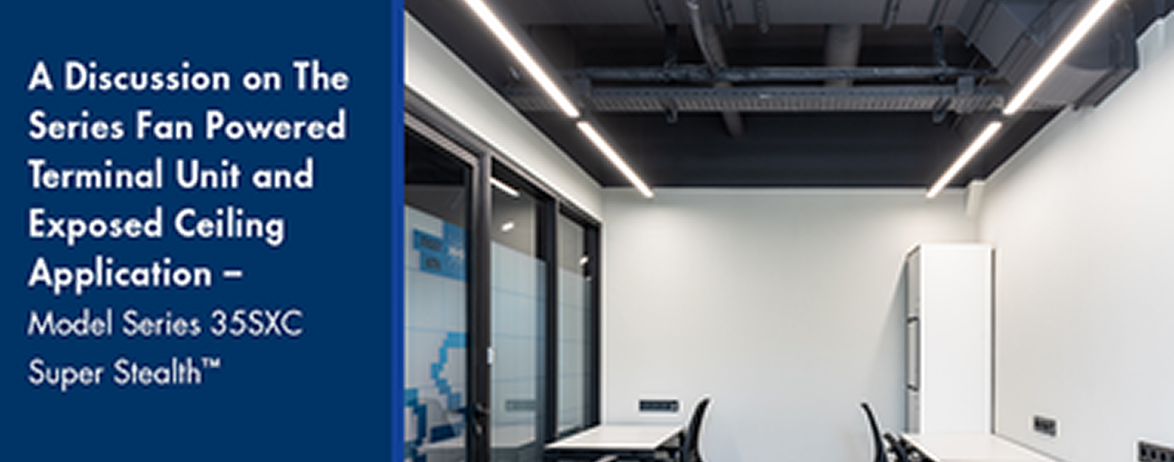
Architectural designs with open offices and acoustical tile suspended ceilings often have relatively low sound level requirements to achieve “acoustical privacy” for the occupants. The acoustical design goals include controlling occupied space noise levels so that it is neither so loud as to interfere with speech or too quiet so that all intermittent sounds become a distraction. Acoustical specifications have included several measures including Octave Band Sound levels, NC (Noise Criteria, based on a tangent maximum referenced to a chart of average human response), RC (Room Criteria, the average is 500 thru 2000 Hz bands and a letter representing high or low frequency predominance) and DbA (an “A Scale” weighted Log Sum in all bands).
The most common specification uses the NC criteria, typically not to exceed 35NC at space design loads. The RC rating, with a requirement of RC 40N (neutral) has been shown to achieve an occupant preferred sound level. When compared to the preferred sound range, however, the 35NC is too quiet in the mid frequencies, and too loud at both high and low frequencies.


It turns out, however, that NC is far better in rating and comparing traditional fan powered HVAC equipment, which tend to peak (resulting in NC ratings) in lower frequencies. RC rating of most VAV equipment results in an R (rumble) rating masking the actual sound spectra created by the product and is seldom found as a device acoustical criterion in modern building specifications.
An RC40(N), where the sound level decreases 5dB per octave band, and intersecting the chart at 40 dB and 1000 Hz, is a good fit to the preferred occupant background sound levels.